Building Europe’s First Commercial Multi-Platform SyncML Service
Year: 2001–2002
Role: Founder • Product Vision • Infrastructure • Commercial Development
Technologies: SyncML • Java • Sun Microsystems • Ericsson T39m • GPRS • Microsoft Outlook • WAP • Apple WebObjects
Sometimes Innovation Begins with a Menu Option
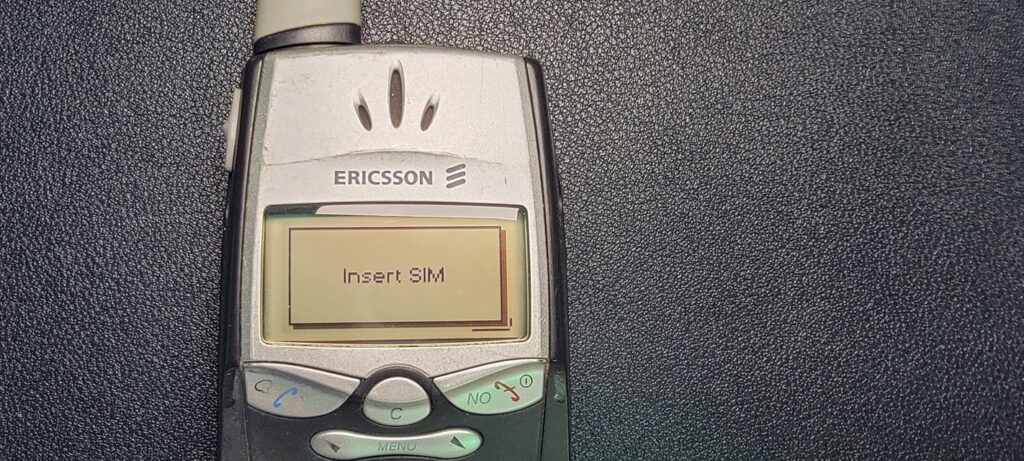
In 2001, I purchased an Ericsson T39m.
At the time, it was one of the most advanced mobile phones available. It was among the first handsets to include Bluetooth without the need for an add-on dongle, but another feature immediately caught my attention: a collection of unfamiliar menu options labeled SyncML.
I had never heard of SyncML. Curiosity took over.
Within days I was researching everything I could find about the technology. All I could find were a collection of platform overviews and whitepapers, but what I discovered would ultimately change the direction of my business.
The World Before Cloud Synchronization
Today we expect our contacts, calendars, and tasks to appear automatically on every device we own. In 2001, that simply wasn’t how things worked.
If you owned a Palm PDA, you synchronized using HotSync and a cradle. If you owned a Psion, you used PsiWin and a serial cable.
Everything depended on physically connecting your device to a computer. Wireless synchronization technically existed, but usually required a permanently running PC equipped with a modem. It was expensive, inconvenient, and solved only a small part of the problem.
There was no universal service capable of synchronizing data between phones, Outlook, computers, and internet services.
That was the opportunity I saw.
Discovering SyncML
My research eventually led me to a German company called Weblicon, founded by serial entrepreneur Carsten Brinkschulte.
Weblicon had built much of the underlying SyncML infrastructure including the server software and device clients. His software company was the exact backbone of the SyncML world I was looking for.
What they hadn’t built was the consumer-facing service. As soon as I understood what SyncML could do, my mind immediately began connecting the dots.
If the infrastructure already existed, someone needed to make it usable. That someone became me.
Creating Sync.nl
I founded Sync.nl with a simple goal:
Build the world’s first commercially available multi-platform SyncML synchronization service.
This wasn’t a side project.
I invested my own money into purchasing the required Sun server hardware.
Fortunately, I was already operating my own internet hosting business with rack space near Schiphol Airport, giving me the infrastructure necessary to launch the platform.
What followed was one of the longest nights of my career.
The 4 A.M. Surprise
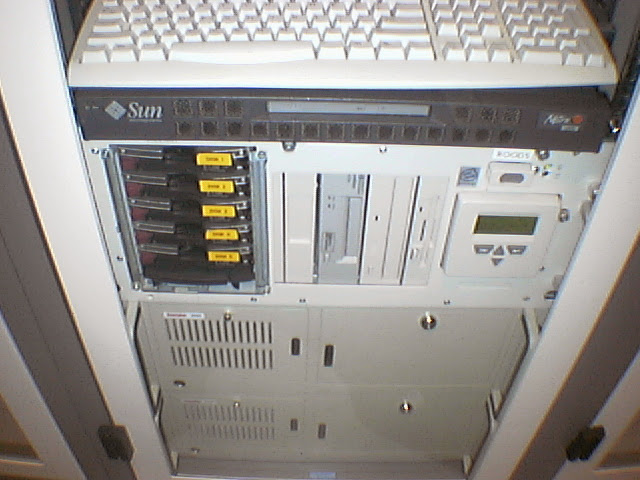
Around four o’clock in the morning, after finally bringing the server online, we were greeted by an unexpected message:
Please enter your Apple WebObjects license key.
There was just one problem…
None of us had ever heard of Apple WebObjects. A quick AltaVista search revealed an even bigger surprise. The software required to run the platform cost approximately $6,500.
For software I’d never heard of. To support a technology I’d only recently discovered. For a commercial service that didn’t yet exist.
There was a moment where it would have been easy to stop…
Instead, I started making phone calls.
(Apologies for the poor photo quality. Cameras were not allowed in my colocation rack provider, but nobody knew what a camera phone was back then!)
Hunting Down Apple WebObjects
My local Apple dealer had never heard of Apple WebObjects as it wasn’t even listed in their catalog.
So I kept calling and eventually I found someone who not only knew exactly what it was, but had a licensed copy available for sale at a price I could justify.
The license key arrived almost immediately and the installation continued.
And finally… The server came to life.
The Moment Everything Worked
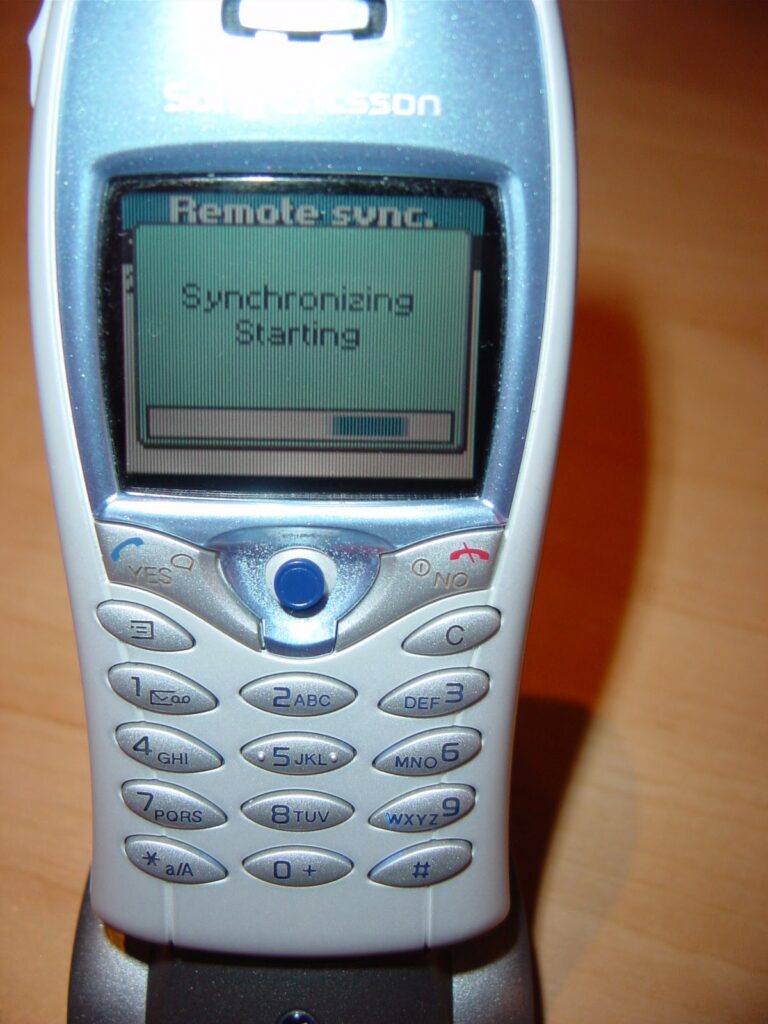
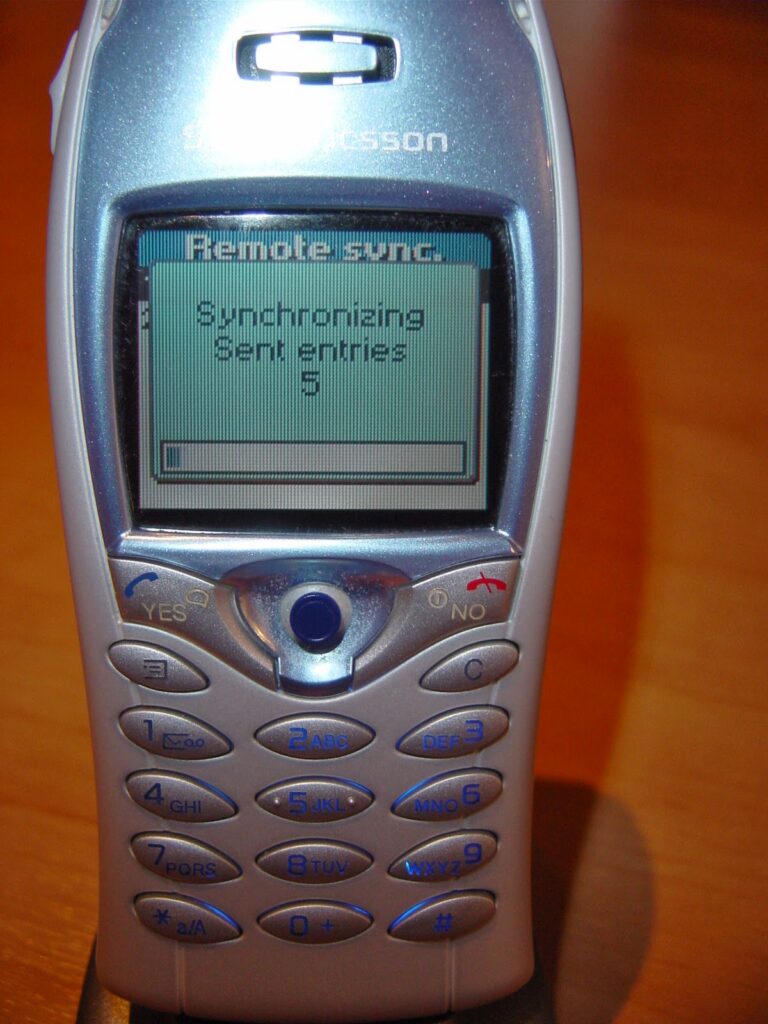
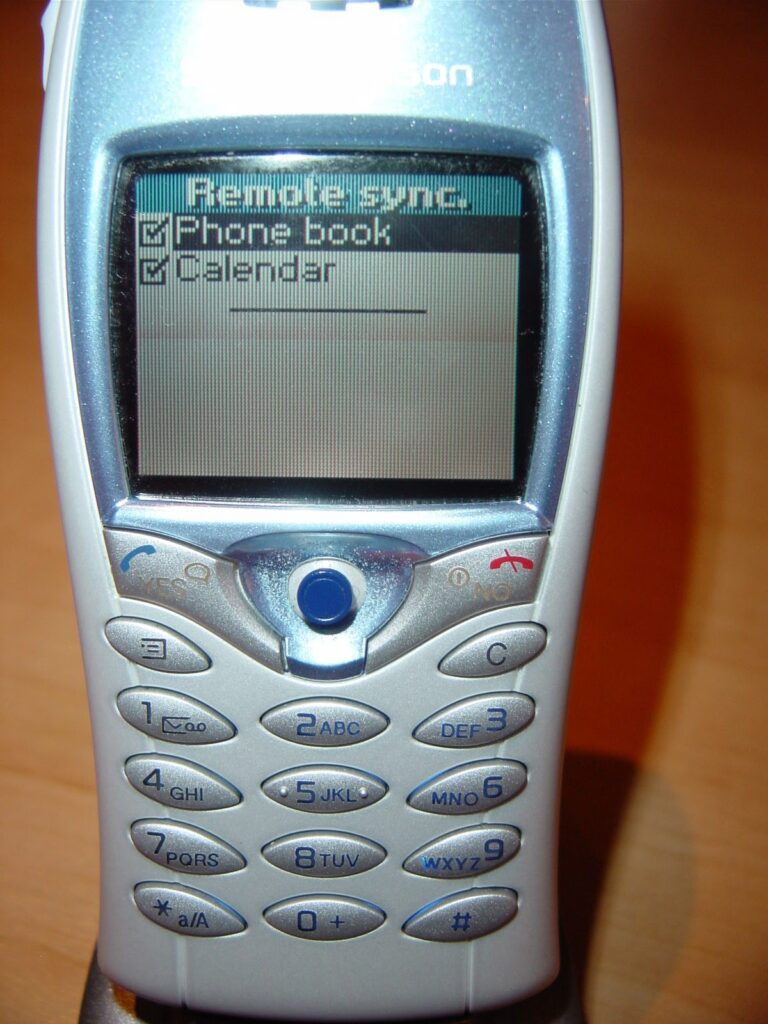
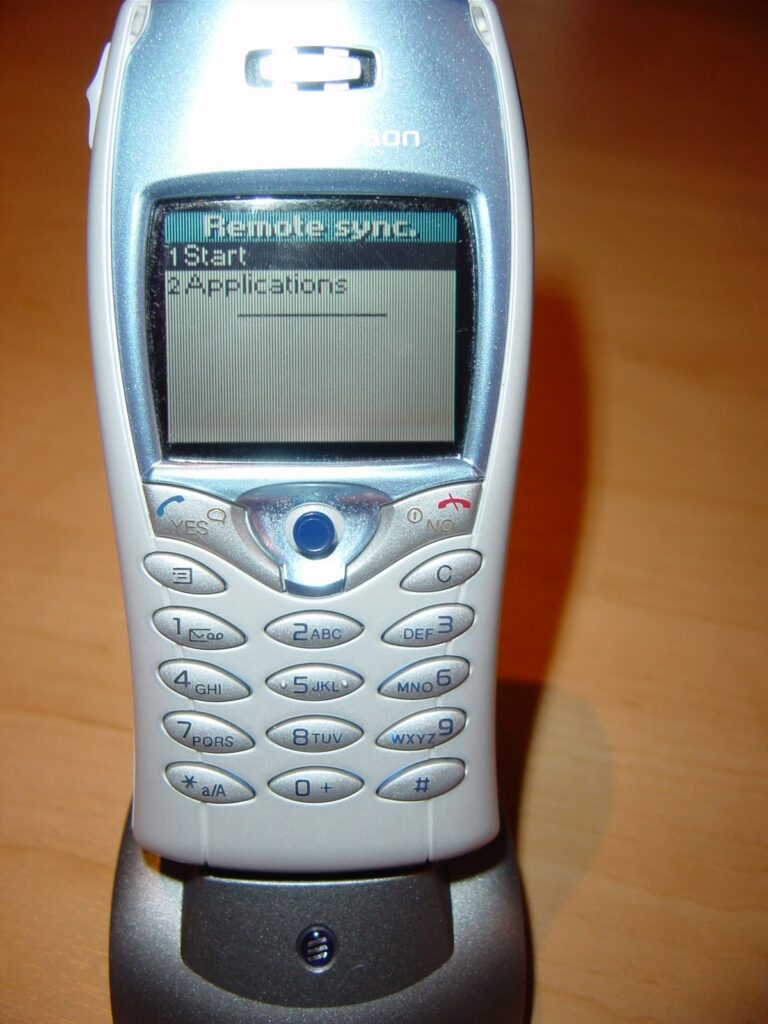
I entered the server address into my Ericsson phone.
Configured the SyncML credentials. Pressed Synchronize. Over the local GPRS network, my contacts and calendar uploaded successfully to my own server.
I drove back to the office. Configured the Outlook SyncML client. Ten seconds later…
Every contact and calendar entry appeared automatically.
I changed a contact on the phone. Pressed Sync. The change appeared on my computer. Then I modified something in Outlook. Pressed Sync again. The phone updated immediately.
Today that sounds completely ordinary but in 2001, it felt like science fiction. For the first time, I wasn’t synchronizing devices with a cable or modem, I was synchronizing information over the cloud.
That realization changed everything.
Taking It Commercial
I immediately recognized the commercial opportunity.
Together with an investor, we committed additional funding to transform the prototype into a fully supported commercial service.
After roughly four months of development, testing, and refinement, Sync.nl officially launched. The service allowed users to synchronize information across multiple platforms without cables or manual duplication.
Years before cloud synchronization became an everyday expectation.
Toshiba Comes Calling
One of our early customers happened to work for Toshiba Netherlands. He immediately understood the value of the platform, through him, we were introduced to the right people inside Toshiba Europe.
That opportunity changed the scale of the project completely. We spent countless evenings improving the platform. We enhanced security, refined the user interface, built an extensive WAP-based management interface (another first for our small team). Then we performed extensive testing and quality improvements and eventually Toshiba approved the platform.
Our synchronization service shipped with every Toshiba laptop sold in Europe, where it was offered free of charge to Toshiba’s business customers.
All this for a brand new company that had started because I was curious about an unfamiliar menu option on a mobile phone, it was an extraordinary outcome.
Lasting Impact
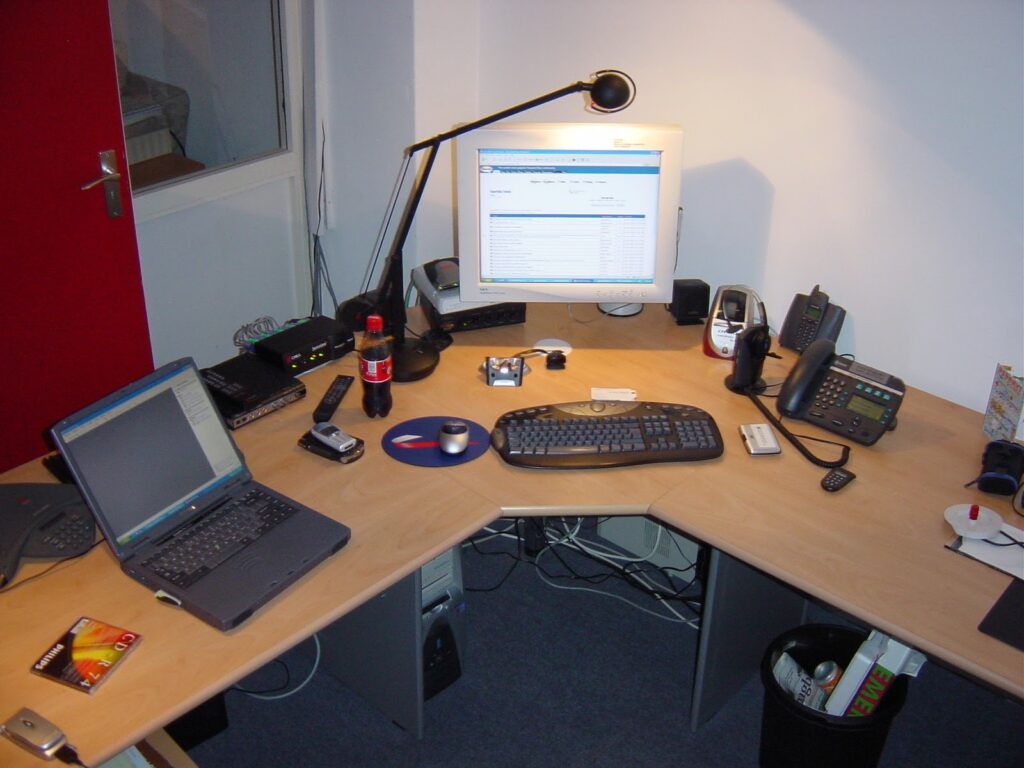
Sync.nl became one of the most successful commercial ventures of my early career and the proceeds funded future investments in my company.
Those investments enabled new products, new opportunities, and helped launch the careers of several talented people who joined me over the years. Looking back, it’s remarkable how much grew from a single moment of curiosity.
Sometimes innovation doesn’t begin with a grand strategy.
Sometimes it begins with a feature you’ve never heard of.
Looking Back
When people think about cloud synchronization today, they often assume it has always existed.
It hasn’t.
In 2001, the idea that your phone, computer, and online services could automatically stay in sync felt revolutionary. What excited me most wasn’t the technology itself—it was the realization that information no longer needed to live on a single device. Once data became independent of hardware, entirely new ways of working became possible. That insight shaped the way I approached technology for years to come.
And it all started because I was curious enough to explore an unfamiliar menu on a brand-new Ericsson phone.
Project Snapshot
| Category | Details |
|---|---|
| Project | Sync.nl |
| Years | 2001–2002 |
| Role | Founder, Product Vision, Infrastructure, Commercial Development |
| Industry | Mobile Synchronization Services |
| Core Technologies | SyncML, Java, Sun Server, GPRS, WindowsCE, Outlook, WAP, Apple WebObjects |
| Key Milestone | Commercial launch within four months |
| Major Partnership | Toshiba Europe |
| Legacy | Shipped with Toshiba laptops across Europe and helped establish one of the earliest commercial SyncML services |